Strong at the Core
Why Your Pelvic Floor Matters — and How to Strengthen It
By Anne Gabbianelli
Easy to overlook but essential to overall health, your pelvic floor plays a key role in posture, stability, bladder control, and core strength. More than we realize, a weak pelvic floor can play a role in a number of health concerns and ailments.
“It is estimated that over 60 percent of women over the age of 20 will have bladder leakage issues,” said Dr. Meaghan Staples of Refine Physical Therapy in Bangor. “Thirty percent of women have low back or hip pain, and over 75 percent of women will experience pain with intercourse at some point in their lives.”
The pelvic floor is basically a group of muscles we sit on, according to Staples.
“They mechanically support lots of other areas of your body and are the foundational structure to things like your core strength, hip joint health, tailbone, and low back,” Staples said.
So let’s talk about these muscles and how we can achieve healthier daily living. Oh, but the conversation is not for women only. The Mayo Clinic cited a recent study showing 16 percent of men have been identified with pelvic floor disorders.
“It can show up as bladder/bowel incontinence, pelvic pain, or erectile dysfunction,” Staples said. “Even herniated discs of the low back or deep hip pain can have a pelvic floor muscle component.”
While many sufferers have been prescribed medication, Staples said patients also “benefit from muscle strengthening, specifically to the pelvic floor complex so they can do activities without fear, worry, or pain.”
And it’s more than Kegel exercises, said Staples.
“It’s learning to integrate pelvic floor motion in everyday movements and basic strength training which makes pelvic therapy effective,” Staples said.
Personal trainer and acupuncturist Renée Thibault of Movement Heals in Brewer recommends people “stop sitting so much and move your body” to help improve their pelvic floor health.
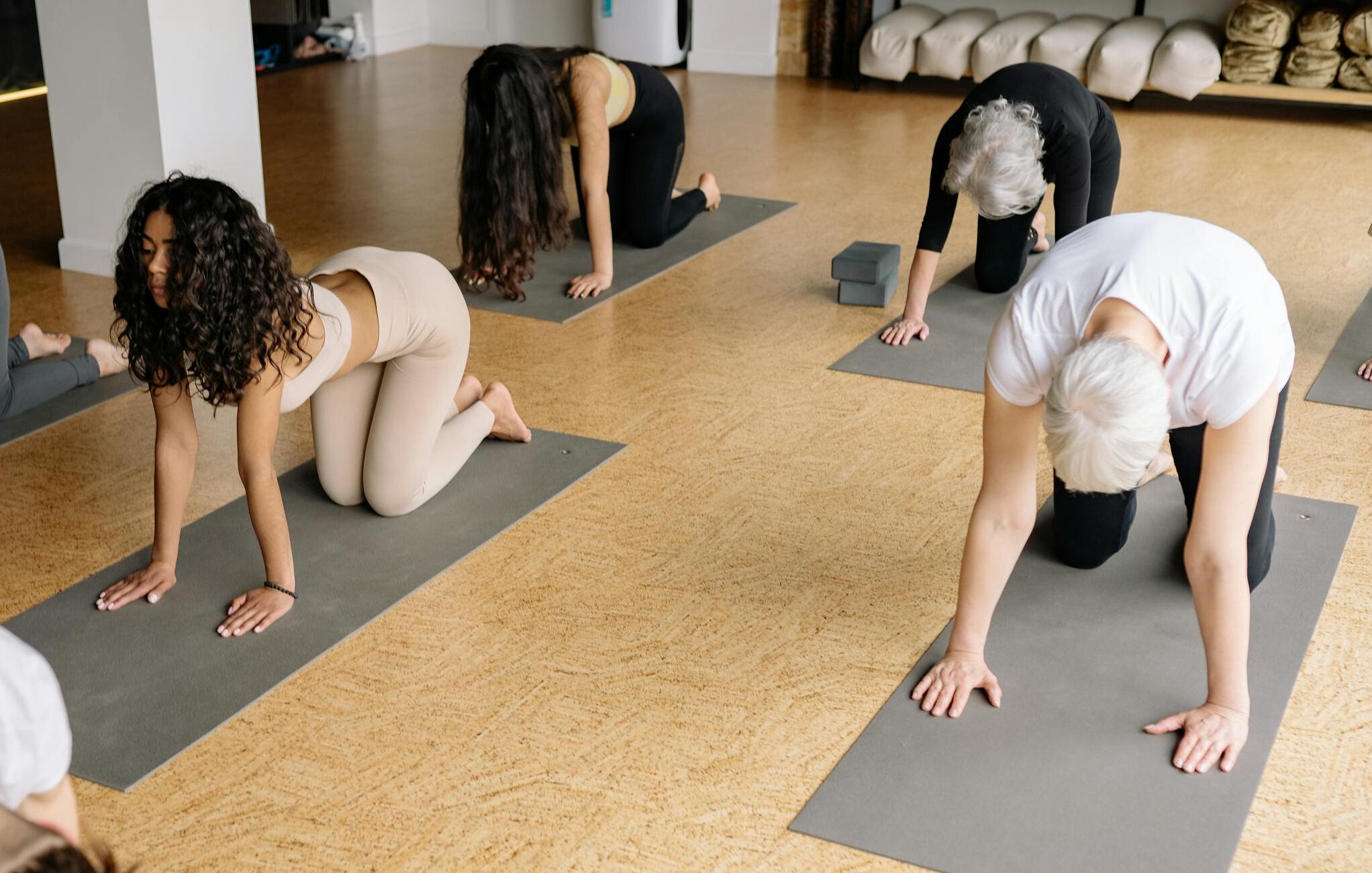
“The pelvic floor muscles are used when we urinate, have bowel movements, have sex, deliver babies, and all manner of body movement,” Thibault said. “The majority of pelvic floor dysfunction is more of a fitness issue than a medical issue, that’s why it’s critical to be actively stretching and strengthening by doing exercises like a wide lateral lunge.”
Licensed Massage Therapist Samuel Marshall of Anthony John’s Day Spa and Salon in Bangor describes the muscle group as “ingeniously complex.”
“The glute muscles and piriformis pull on the outer side of the pelvis, and in some cases can have a game of tug of war with other muscles,” Marshall said. “And when one side is ‘winning,’ the other side is complaining. This imbalance of muscle tension can offset other connecting muscles or other muscles attached to the same bone but in a different location, such as directly opposite from the tightened muscle.”
“By loosening up muscles surrounding the pelvis,” Marshall said, “we can provide some slack in the overall tension to help the body realign.”
Hippocrates, often called the Father of Medicine, practiced inversion therapy in 400 BC, a practice which Thibault promotes.
“Hands-down the most effective daily practice to support the pelvic floor as we age is to do an inversion at 10 degrees, which over time will help the organs that are most impacted by the force of gravity,” Thibault said. “Our body and our health is more valuable than anything we could ever acquire in life. Your body deserves maintenance.”
“The women I treat have a heavy focus on taking care of their families, their business, or their work,” Staples said, “so the last person they think to take care of is themselves. If you are reading this and that is you — this is your invitation to think that the better, stronger, and more confident you feel in your body, the better you can show up for those who need you.”