What a Haul
Helping fishermen take old lobster traps from the ocean floor to the recycling floor
By Jodi Hersey
Lobster traps are a familiar sight up and down Maine’s coast, but what happens when they are no longer usable? A local nonprofit called Oceanswide has decided recycling derelict equipment will not only benefit Mother Nature but the fishing industry as well.
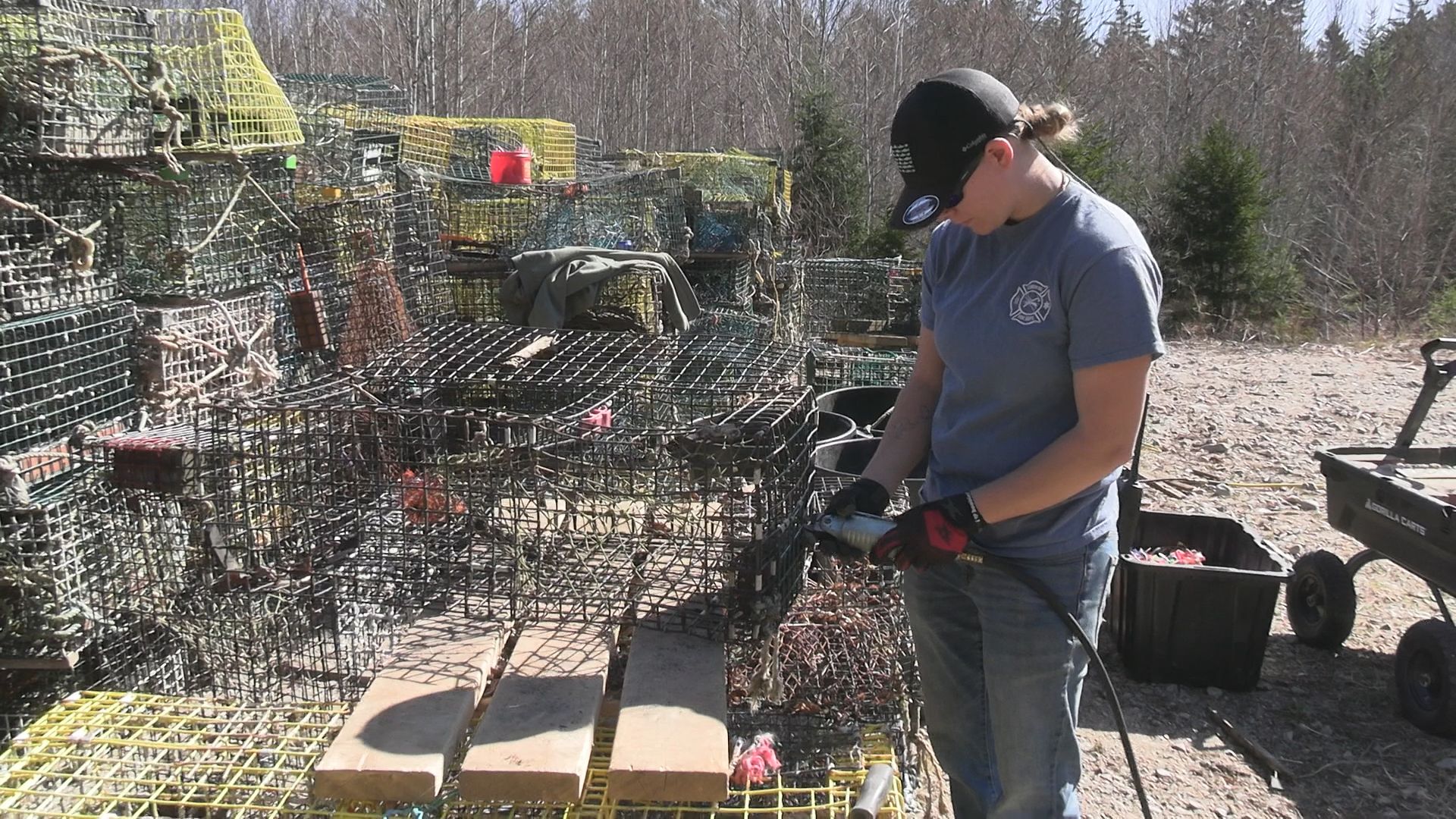
“We break down all the components of the trap,” said Matt Louis, co-founder and education director at Oceanswide. “We cut the aluminum funnel hoops, and they go out for recycling. We cut off all the hard plastic corners and cleats, and those get sent to shredding and grinding to be turned into 3D filament, and the steel wire cage gets crushed for scrap metal.”
The nonprofit got its start in 2008 as an education program in Newcastle, teaching marine science, marine safety, and scuba diving. During one of the youth scuba dive programs, a student asked what the nonprofit was doing with all the ghost gear, or lost traps, at the bottom of the ocean. That got the founders’ gears turning, and in 2019, the Traps 2 Treasures program began. Fishermen can drop off their used or broken equipment at Oceanswide’s shore location in Gouldsboro or contact the nonprofit about equipment lost at sea. In return, lobstermen receive a $2 tax deduction for each trap they donate, and the Maine coastline gets a little cleaner.
“We have divers that go down and locate the traps,” said Louis. “They signal to the surface boat that they have found a trap or pile of traps by pulling on the dive tab. Then the boat comes along and throws down a weighted clip so the divers can clip it into the trap, and then the divers swim away. Later, we will go back out with another boat and recover those traps. On an average dive, we can collect anywhere from 10 to 26 traps.”
Louis said students from Sumner Memorial High School in Sullivan seeking community service hours, fishermen, and others have volunteered to help the nonprofit break down used lobster traps for recycling.
“I started volunteering my sophomore year,” said Shaelyn Russell, who now works for the nonprofit. “We slowly pick at the traps, and after a while it starts to really show what you’re doing. The next day you come back and a fisherman has dropped off more.”
The Traps 2 Treasures program is even gaining attention on the islands.
“Out on Vinalhaven, we have had 18 to 20 fishermen give us a hand disposing of traps that are at the end of their life on the island,” Louis said. “We are calculating that to remove a trap and drop it off here on shore is $8, but on the outlying islands of Matinicus, North Haven, and Vinalhaven, it’s upwards of $18 because of the ferry and trucking to get them off the island.”
Louis said the reward for removing ghost gear and recycling used lobster traps far exceeds the tax deduction donors receive.
“There is not a single fishing industry in the world that doesn’t lose equipment over time,” he said. “We have had people in Boothbay Harbor say they are able to fish in areas they hadn’t been able to because of how much cleanup we have done.”