Plant Once, Bloom Forever
Top Tips to Get Started With a Maine Perennial Garden
By Emily Burnham
The first signs of spring are almost always the arrival of perennial flowers, like tiny purple crocuses, cheerful yellow forsythia, and delicate daffodils. Though preparing your garden for the growing season means planting annuals for many people, it’s perennials — those hardy plants that survive winters to bloom year after year — that are the true stalwarts of a Maine garden.
Whether you’re tending a container garden on your porch or have lots of space on your property to grow many different varieties, perennials can bring long-lasting color to your horticultural endeavors, saving you money by eliminating the need to buy new annual seedlings each year and encouraging native plant growth as well. Here are some top tips to make a perennial garden bloom for you.
Plant for the land you have
Kate Garland, a master gardener and horticulturalist with the University of Maine Cooperative Extension, said her No. 1 tip for people getting started with a perennial garden is to choose plants that fit the site you have. Don’t try to change your site to suit the plants you want.
“A best practice is to assess your site and see what conditions it has — not only sunlight, but also moisture and soil — and then choose plants that work for those things,” Garland said. “You can go to a nursery and pick out a plant you love, but if it’s simply not right for the conditions you have, it won’t thrive for very long.”
Garland also said it’s important to consider conditions such as whether your site is near a walkway that might have road salt on it in the winter, whether deer visit your property, and whether your dog might use your garden as a bathroom. There are many different types of perennials, some of which can thrive in challenging sites or under specific conditions. Working with the conditions you have will make it much easier to create a garden you love.
Consider native plants
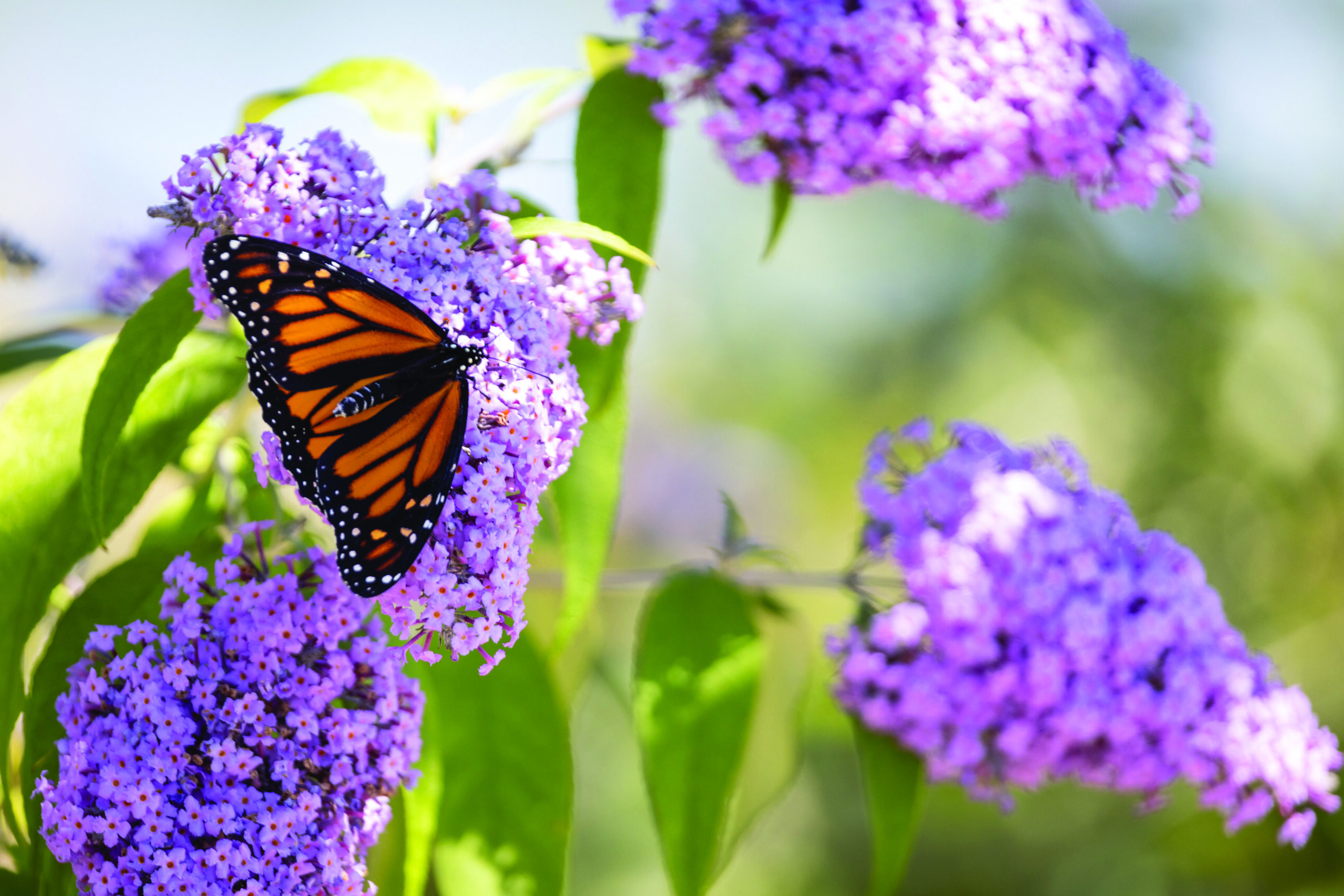
One way to make sure your perennial garden is successful is to lean into plants native to Maine that are accustomed to the state’s seasons and soils. Coneflower, aster, and blue lobelia are colorful and easy to grow and can be found at many garden centers and greenhouses. Many native plants also attract pollinators — butterfly milkweed, for example, attracts monarch butterflies, while Joe Pye weed is irresistible to bees and other insects.
That said, if you’re dying for peonies or foxglove, Garland said that’s OK, too.
“I’m not a purist when it comes to non-native plants, and if you really want something particular in your garden, go for it,” she said. “Just be careful that you’re not inviting any invasive species into your site.”
Garland cautioned gardeners to be sure they acquire plants from places where they know they won’t come with pests such as moths or Asian jumping worms, an invasive species that looks like a small earthworm but has wreaked havoc on soils across the country.
Containers are an option
Though we often think of containers as the kind of things you fill with annuals, perennials work just as well in containers if you take some specific steps to care for them.
Before the first frost, bring containers inside. An unheated garage, shed, or basement with a temperature range between 30 and 40 degrees can provide a perfect environment for overwintering perennials. Don’t forget to water those plants a few times during the winter, and consider that if you’ll be moving containers, you may want to avoid making them too heavy — dragging containers that weigh 50 pounds or more isn’t much fun if you’re doing it yourself.
Patience and hospitality are virtues
While plants like lilies and bee balm usually start blooming the same year they are planted, others take time to get established and start producing. Most shrubs, of course, don’t become impressive until a few years after planting, including peonies, rhododendrons, and azaleas.
“People tend to think that perennials are lower-maintenance and that you can kind of plant it and forget it,” Garland said. “In reality, they have their own unique behaviors and require maintenance that is spread out over years.”
In addition to being patient with your perennials, consider welcoming volunteers into your garden. It’s a living landscape, and if goldenrod or columbine arrive one season, or your bee balm begins to spread, you might want to let them stay — or at least find a way for all plants to cohabitate peacefully.
Getting blooms throughout the year
One of the challenges — and most fun parts — of perennial gardens is planting so you can have blooms throughout the season, year after year. It can be tricky to time it just right so things bloom in the succession you want.
Garland said her top tip for making that happen is to take pictures of the plants you want when they are in season and keep note of the timestamp so you know what time of year they bloom in Maine. She also recommended using online tools such as the Wild Seed Project and the Native Plant Trust plant finder to help with planning.
“If you are willing to put in the time, you can build a garden that becomes something you can enjoy for years to come,” Garland said.