Local & Wild
Bring the Forest to Your Plate with Boreal Cuisine
By Jasmine Cabanaw
Boreal cuisine is like a taste of winter, even in the spring. Ingredients like spruce tips, juniper berries, wintergreen, and wild game harken back to winter magic and memories of freshly fallen snow. It is a seasonal, earthy cuisine that draws from the splendors of northern forests and is named after Boreas, the Greek god of the north wind.
My first experience of boreal cuisine was in Quebec City, where I fell in love with spruce beer, maple taffy, and venison tartare. I was delighted to see that menus featured foraged greens and wild mushrooms. Beef and chicken were often omitted in favor of venison and duck. Locally caught fish was almost always an option. The result was a weekend of indulging in hearty cuisine that left me feeling full, content, and connected to the forest.
The origin of boreal cuisine took form in the 18th century, when indigenous peoples taught French settlers about local wildlife and how to sustainably use and prepare the forest’s resources. Recipes evolved over centuries, becoming a blend of Northern indigenous traditions, Nordic influence, and the deep, flavorful richness of French fare.
Yet the term boreal cuisine is a new one on the culinary scene. Emerging in the 2010s, the conscious branding of this style as “boreal cuisine” is a relatively modern development in gastronomy. Chez Boulay in Quebec City is often credited as the first restaurant to popularize the term when it opened in 2012 with a menu that boasted a fusion of French cuisine and seasonal ingredients from the surrounding northern forest.
“The Boreal Gourmet: Adventures in Northern Cooking” by Michele Genest, published in 2010, was one of the first cookbooks to categorize its recipes under the label of boreal cuisine. Her definition varies slightly from the chefs in Quebec City to incorporate recipes that don’t always contain the influence of French cuisine.
As a newer culinary term, it makes sense that the definition of boreal cuisine is still evolving. In its truest form, boreal cuisine is simply a cooking style that garners the majority of its ingredients from the boreal forest, with a focus on foraged plants and mushrooms (chanterelles are a favorite), wild game like elk and deer, protein-rich fish like salmon and trout, and tree-based syrups.
Why is this exciting for Maine? Of the seven states that have boreal forest, Maine has the largest section of eastern boreal forest, along with a unique section that overlaps with the eastern deciduous forest. Many restaurants across the state unknowingly feature boreal cuisine on their menus, simply by utilizing local and in-season ingredients.
This means that Maine is ripe for breaking into a new culinary scene. Most of the boreal cuisine fame goes to Quebec, Alaska, Northern Canada, and a few Scandinavian countries. However, Maine’s vast forests, coastline, rivers, and lakes provide an unusually diverse range of ingredients within a relatively small area. Foraging, fishing, hunting, and small-scale farming are not niche practices here but living traditions. From sea vegetables and cold-water shellfish to game, maple syrup, and wild berries, the state’s landscapes support a cuisine rooted in seasonality and place. Boreal cuisine in Maine is already happening, whether or not we call it by name.
The convenience of sourcing local ingredients also means that most Mainers can enjoy creating boreal recipes right in their own kitchens. Spruce tip salt is an easy one to make in the springtime and is perfect for enhancing seafood, meats, vegetables, and even cocktails. Juniper-spiced venison and greens is a favorite in my household, and the juniper berries can be easily foraged or purchased at a grocery store. The possibilities are abundant and half the fun lies in the creative experimentation. The other half lies in enjoying the delicious food!
Boreal cuisine invites us to slow down and savor the flavors of the northern forest, no matter the season. It’s about cooking and eating with intention, and honoring what’s available, local, and wild. If you’re looking for food that will leave you feeling nourished and grounded, boreal cuisine offers a delicious way to reconnect with the natural world.
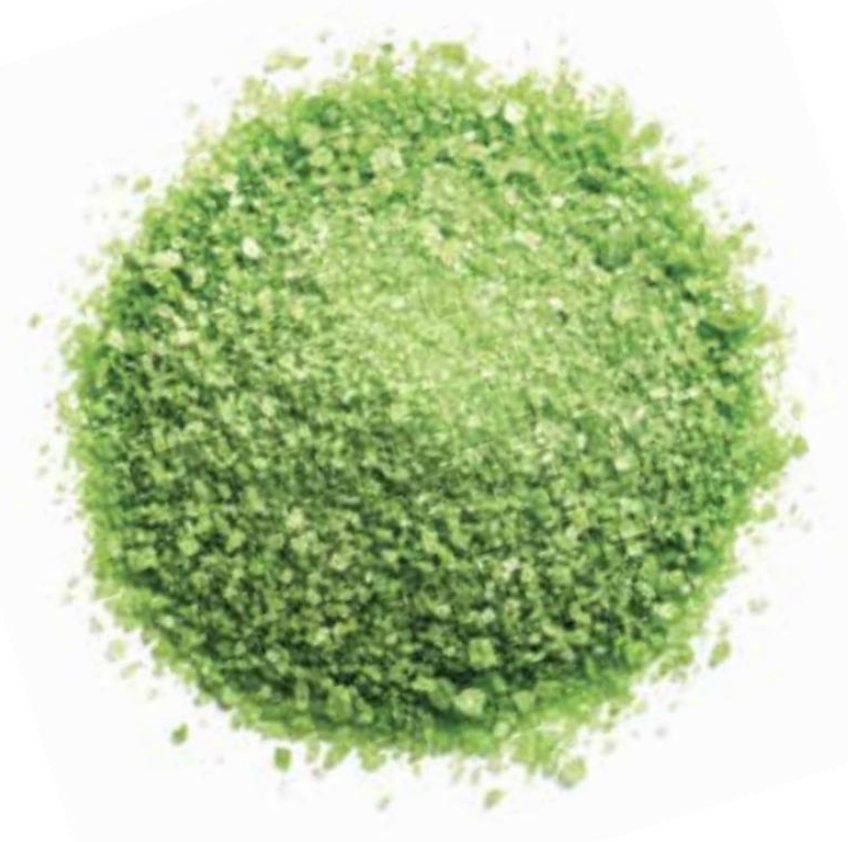
SPRUCE TIP SALT
Recipe
Spruce tip salt is a citrusy, piney seasoning that adds a distinctly boreal flavor to a variety of dishes and desserts.
Instructions
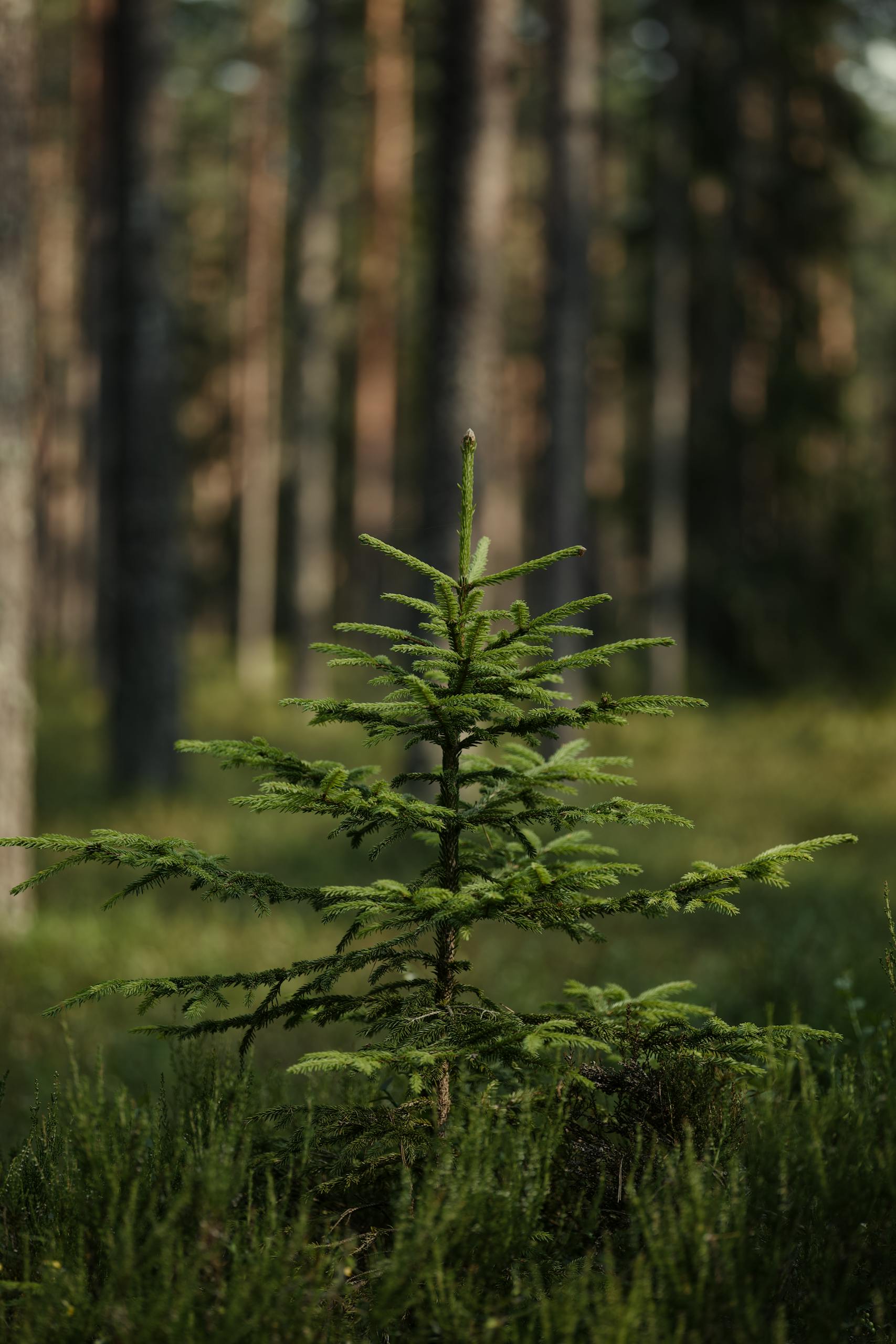
Harvest young, tender, bright green spruce tips in spring. (Ensure they are free from pesticides.)
Combine fresh spruce tips and coarse salt in a food processor, using roughly equal parts. Pulse until finely chopped and mixed, avoiding over-processing into a paste.
Spread the mixture thinly on parchment paper and dry in a dehydrator (around 120°F/50°C) or an oven (same temp), leaving the door ajar for moisture to escape, until completely dry and crumbly.
Crumble further if needed and store in an airtight container. Can be stored for up to two years.