Learning Adventures
Become a family of Citizen Scientists this summer
By Sarah Cottrell
Maine summers are a magical time of relaxation and adventure. If you’re looking for ways to get yourself, or your family, outside and into nature, consider checking out the many citizen science programs that will captivate and teach.
Maine Audubon Annual Loon Count
Maine loons need you! Join more than 1,800 volunteers across nearly 400 lakes and ponds throughout Maine on Saturday, July 18, 2026, from 7 to 7:30 a.m. to conduct a loon head count. This community effort has taken place every year since 1983, providing scientists with invaluable data.
maineaudubon.org/projects/loons/annual-loon-count
Maine Community Collaborative Rain, Snow, and Hail Network
Got a weather-obsessed kid at home? CoCoRaHS Maine has been monitoring and recording precipitation patterns from Kittery Point to Aroostook County since 2009. This free experience includes training and instructions to help locals interested in weather become effective citizen scientists.
cocorahs.org/state.aspx?state=me
The Dragonfly Mercury Project
The Dragonfly Mercury Project, through the National Park Service, is a nationwide effort to collect dragonfly larvae for mercury analysis. Why? Because mercury is a dangerous pollutant that affects people, wildlife, and the environment. The data collected in this study, conducted every year since 2009, helps scientists and resource managers better understand mercury contamination. Plus, you get to spend time with dragonflies, which is very cool.
nps.gov/subjects/citizenscience/dragonfly-mercury-project
Project ASCO Rockweed Survey at Schoodic Institute
If you live near the coast and want to get involved in ocean science, check out this annual rockweed survey through the Schoodic Institute. You and your family will receive training, learn about the importance of seaweed, and help scientists better understand the intertidal zone. This is perfect for families and kids who want to explore Maine’s coastline up close.
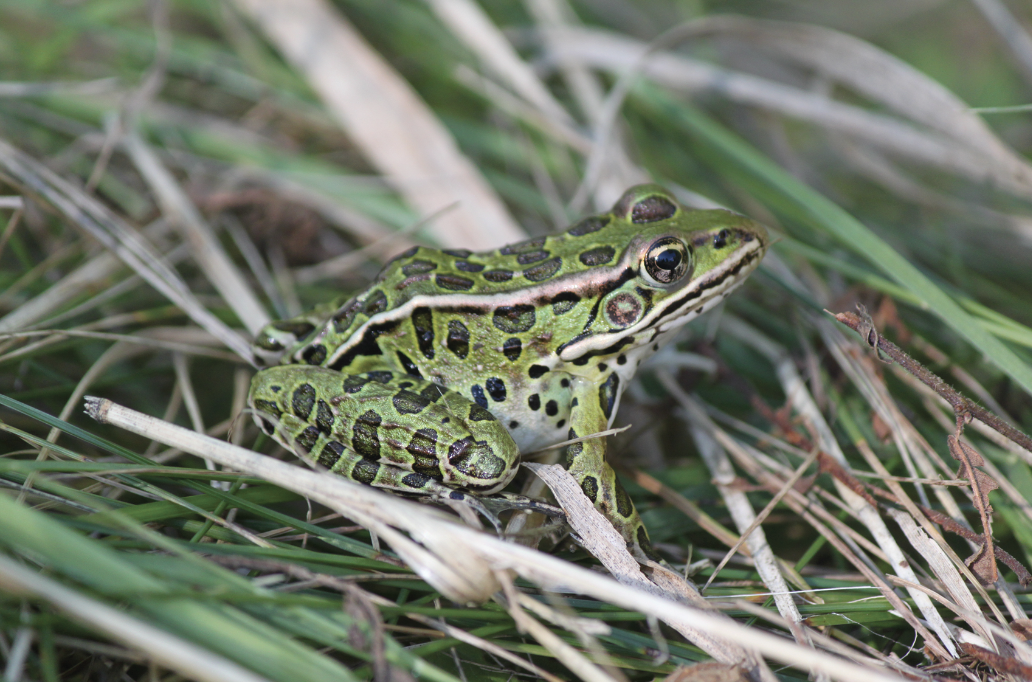
Maine Amphibian and Reptile Atlas
The Maine Department of Inland Fisheries and Wildlife is looking for citizen scientists to help continue one of the longest-running citizen science projects in New England: the Maine Amphibian and Reptile Atlas. You can record and submit your observations online and learn about the frogs, snakes, turtles, salamanders, and more that call Maine home.
maine.gov/ifw/fish-wildlife/wildlife/species-information/reptiles-amphibians/atlas-project
NASA Citizen Science Programs
If your family watched the Artemis II mission with awe and fascination, you might be thrilled to learn that NASA has a citizen science portal with 42 projects to choose from, including space science, biology, ocean and Earth science, and more. You can help researchers learn more about our home planet and the Milky Way from your backyard.
science.nasa.gov/citizen-science
Cornell Lab of Ornithology
Bird-watching is having a moment thanks to the Merlin app, developed and run by the Cornell Lab of Ornithology. Mainers can download the app and use it to identify, observe, and track bird migrations year-round. The data you collect, along with that of more than 10 million other Merlin users, is fed through eBird, a scientific database researchers use to study things like bird migration patterns. That information then helps power the app to identify birds in your backyard.
4-H Citizen Scientists Club
No Maine-focused citizen science list would be complete without mentioning the 4-H Citizen Scientists Club run through the University of Maine Cooperative Extension. Kids in grades 4 through 8 can sign up for a virtual citizen science club to take part in different science projects at home. Since spots are limited, you can also check out extension.umaine.edu/4h for a listing of other 4-H opportunities for Maine kids.
extension.umaine.edu/4h/4-h-citizen-scientists-club
This summer, consider adding a citizen science project to your family adventure!